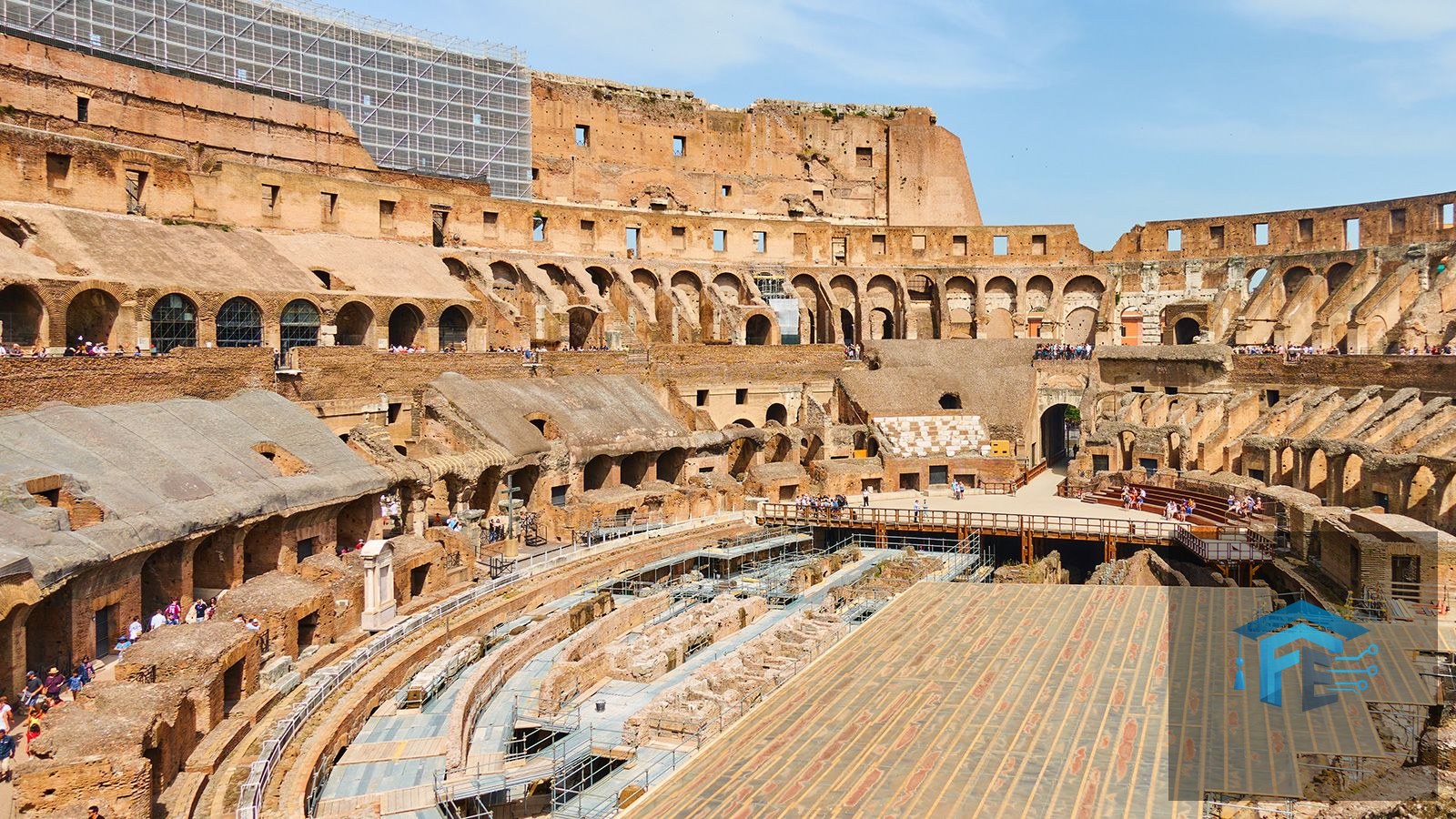

Walk through Rome or visit Hadrian's Pantheon, and you'll see concrete structures that have survived two millennia—many still standing stronger than concrete poured just decades ago. The secret isn't magic; it's chemistry. Roman engineers mixed volcanic ash called 'pozzolana' with lime, seawater, and rubble, creating a material that actually gets stronger as it ages. When seawater seeped into the tiny cracks over centuries, a special mineral called 'strätlingite' formed, essentially healing the concrete from the inside out.
Modern concrete, by contrast, uses Portland cement—invented in the 1800s—which chemically works differently. While it sets quickly and is convenient for fast construction, it doesn't benefit from the same self-healing chemistry. In fact, modern concrete often weakens over time as water and carbon dioxide penetrate it, causing the steel reinforcement inside to rust. This 'carbonation' process is one reason concrete buildings built in the 1960s and 70s are already showing serious structural problems.
The real kicker? Roman concrete was often poured directly into seawater for harbor structures and actually performed *better* there than on land. The interaction between seawater minerals and the pozzolana created those healing crystals continuously. Modern engineers are now studying Roman recipes and even experimenting with adding volcanic ash back into concrete mixes—not to replicate history, but because ancient engineers figured out something we forgot: the best concrete isn't the fastest to build with, it's the one designed to improve with age.
So next time you see a 2,000-year-old Roman structure standing firm while a 1970s concrete bridge needs urgent repairs, you're witnessing the difference between engineering for the short term and engineering for the ages. The Romans didn't have our technology, but they understood something fundamental about materials science that we're only now rediscovering.