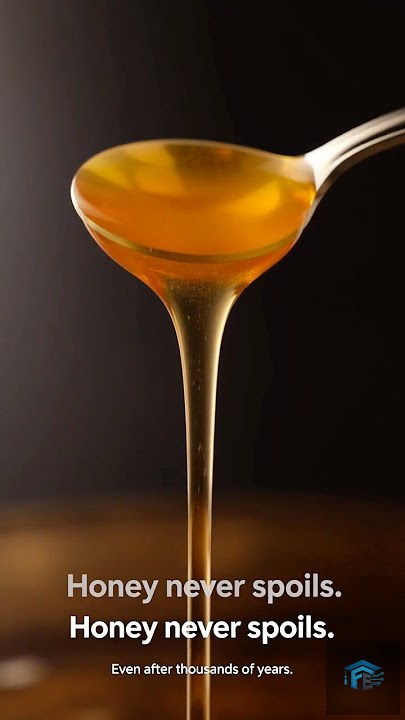

It sounds like magic, but honey's immortality comes down to chemistry. Honey is about 80% sugar and only 18% water, creating an environment where bacteria and fungi simply cannot survive or reproduce. Most microorganisms need water to grow, and honey's low moisture content leaves them with nothing to work with. Additionally, honey is naturally acidic (pH around 3.5), which further prevents harmful microbes from thriving.
There's another secret ingredient: enzymes. Bees add an enzyme called glucose oxidase when they make honey, and this enzyme produces small amounts of hydrogen peroxide—a natural preservative. Over time, this hydrogen peroxide breaks down into water and oxygen, but it's enough to keep the honey safe. The combination of low water, high sugar, acidity, and these natural enzymes creates the perfect recipe for food that lasts forever.
This is why ancient honey discoveries are so fascinating. Archaeologists really have found jars of honey in Egyptian tombs dating back thousands of years, and the honey inside remains edible. As long as honey is sealed properly and kept dry, it will outlast you, your great-grandchildren, and probably your great-grandchildren's great-grandchildren. That's why honey has been called nature's perfect food—it doesn't just nourish; it never quits.