
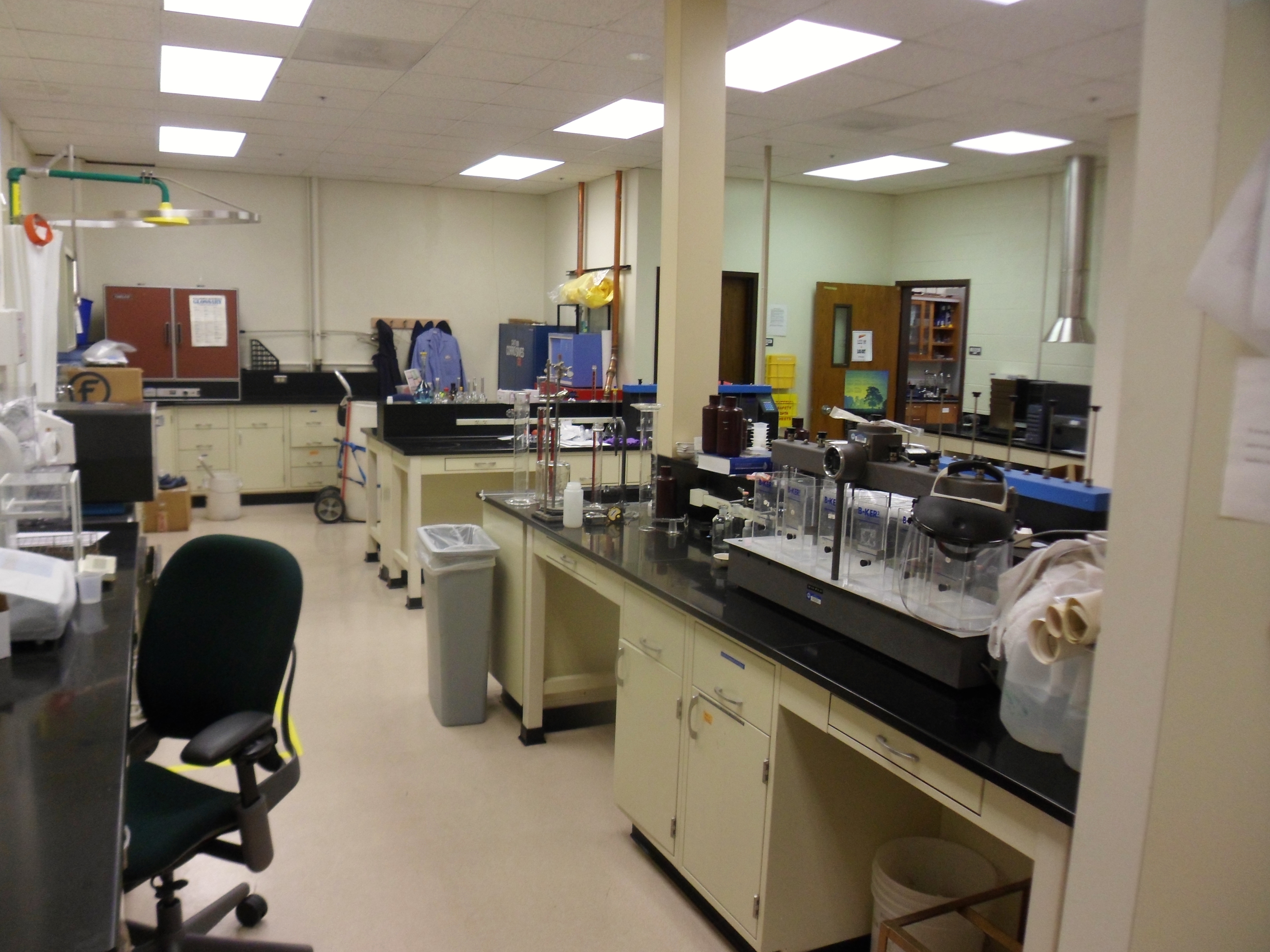
Environmental engineering is all about solving real problems that affect people's health and the natural world. Environmental engineers work on projects like building water treatment plants that make contaminated water safe to drink, designing landfills that prevent waste from poisoning soil, creating systems to clean up polluted sites, and finding ways to reduce air pollution in cities. Some work in offices doing calculations and design, others spend time on-site inspecting facilities or testing water and soil samples. It is practical, hands-on work that directly helps communities, whether in cities or rural areas.
If you study environmental engineering, you will learn the science behind how pollution moves through air, water, and soil—this includes chemistry, microbiology, and physics. You will study how to design treatment systems, how to manage solid waste and hazardous materials, and how to plan infrastructure projects sustainably. You will also learn about environmental laws and regulations, project management, and how to think about the environmental impact of human activities. Much of the work involves using computer models to predict how systems will behave and designing solutions that are both effective and affordable.
Environmental engineers work across many industries and sectors. Some work for government agencies managing water supplies, waste disposal, or pollution control. Others are employed by consulting firms that help industries and cities solve environmental problems. Many work in the construction and infrastructure sector, ensuring new buildings and roads are built with environmental protection in mind. Some focus on renewable energy systems, water harvesting, or helping communities prepare for droughts and floods. The field is growing as countries recognize the importance of protecting the environment and adapting to climate change.
Students who enjoy environmental engineering tend to care about how their work affects people and nature—they want engineering to have a positive impact. If you are curious about how ecosystems work, interested in solving messy real-world problems, and comfortable with both science and practical problem-solving, this field could be a good fit. You do not need to be perfect at mathematics, but you should be willing to work with data, think logically, and communicate your ideas clearly to people who may not have a technical background. This field rewards creativity in finding affordable, practical solutions that communities can actually use.